For students and institutions

Academic Transition

What helps students move into Canadian post-secondary life with realistic expectations and a clear sense of what's ahead. These resources focus on the practical side of adjustment: how academic culture works, what success often requires, and how students can respond more effectively.

Academic expectations illustration
Academics

Understanding Academic Expectations in Canada

A concise overview of how Canadian classrooms work — participation, assessment styles, office hours, and the role of academic support. The aim is to make implicit expectations more visible so that students can navigate them with less confusion and more confidence.

Study strategies illustration
Study Skills

Building Sustainable Study Strategies

Practical approaches to planning, note-taking, reading, and exam preparation that help students manage their workload realistically. Good study systems are rarely about intensity alone; they are about consistency, judgment, and choosing strategies that can actually be sustained.

Feedback and communication illustration
Feedback

Working With Feedback

How to receive, understand, and act on academic feedback so it becomes a tool for growth rather than a source of stress. Feedback becomes more useful when students can interpret what it means, separate signal from emotion, and apply it constructively.

For institutions and employers

Experiential Learning

Design principles and practical considerations for institutions building or strengthening work-integrated learning programs. The strongest experiential learning models are not defined by activity alone, but by intentional design, communication, preparation, and reflection around that activity.

Experiential learning overview
Overview

How Experiential Education Strengthens Student Outcomes

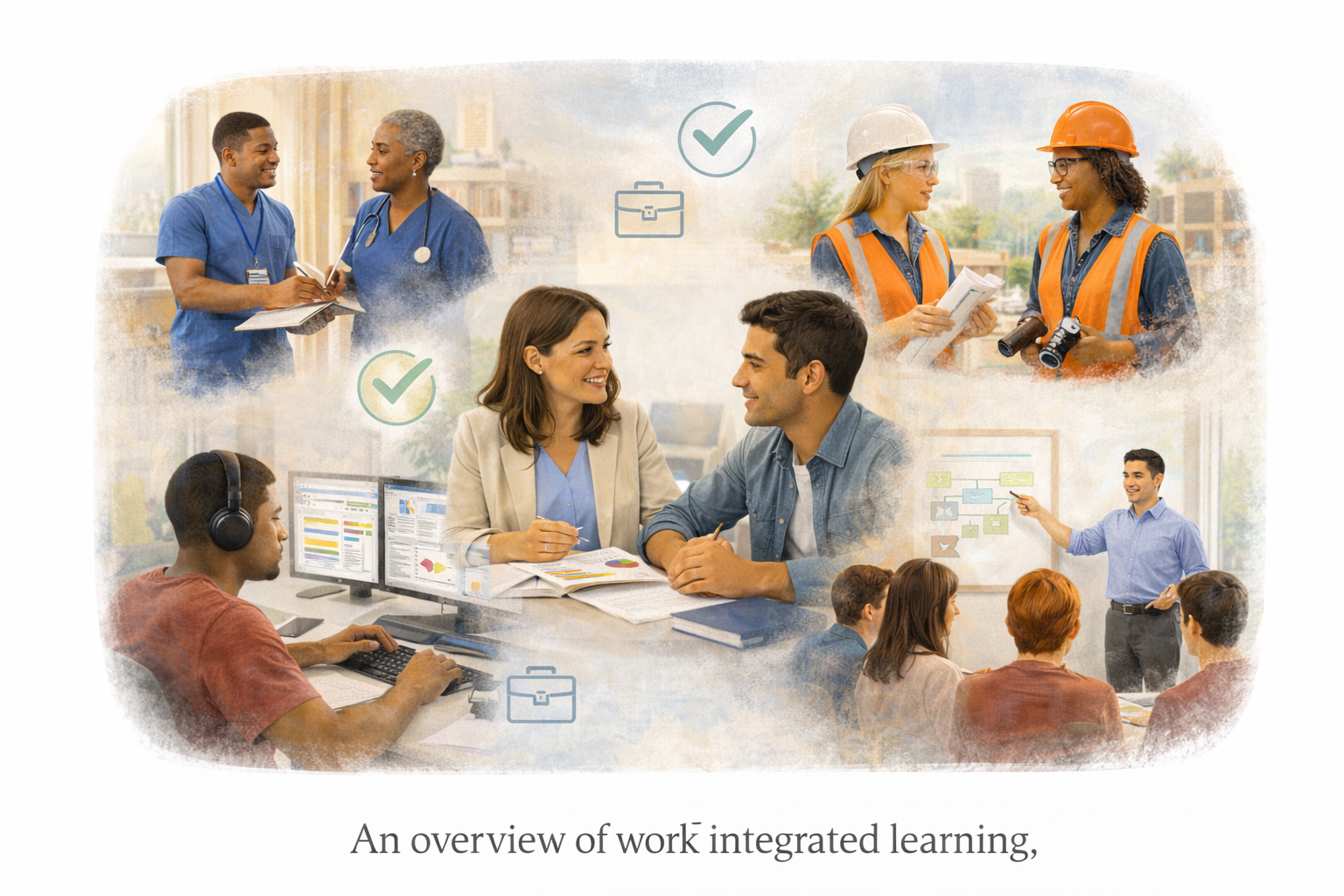
An overview of WIL, co-op, internships, and applied projects — and how they build confidence and career readiness when designed thoughtfully.

Program design illustration
Design

Designing Experiential Learning Programs

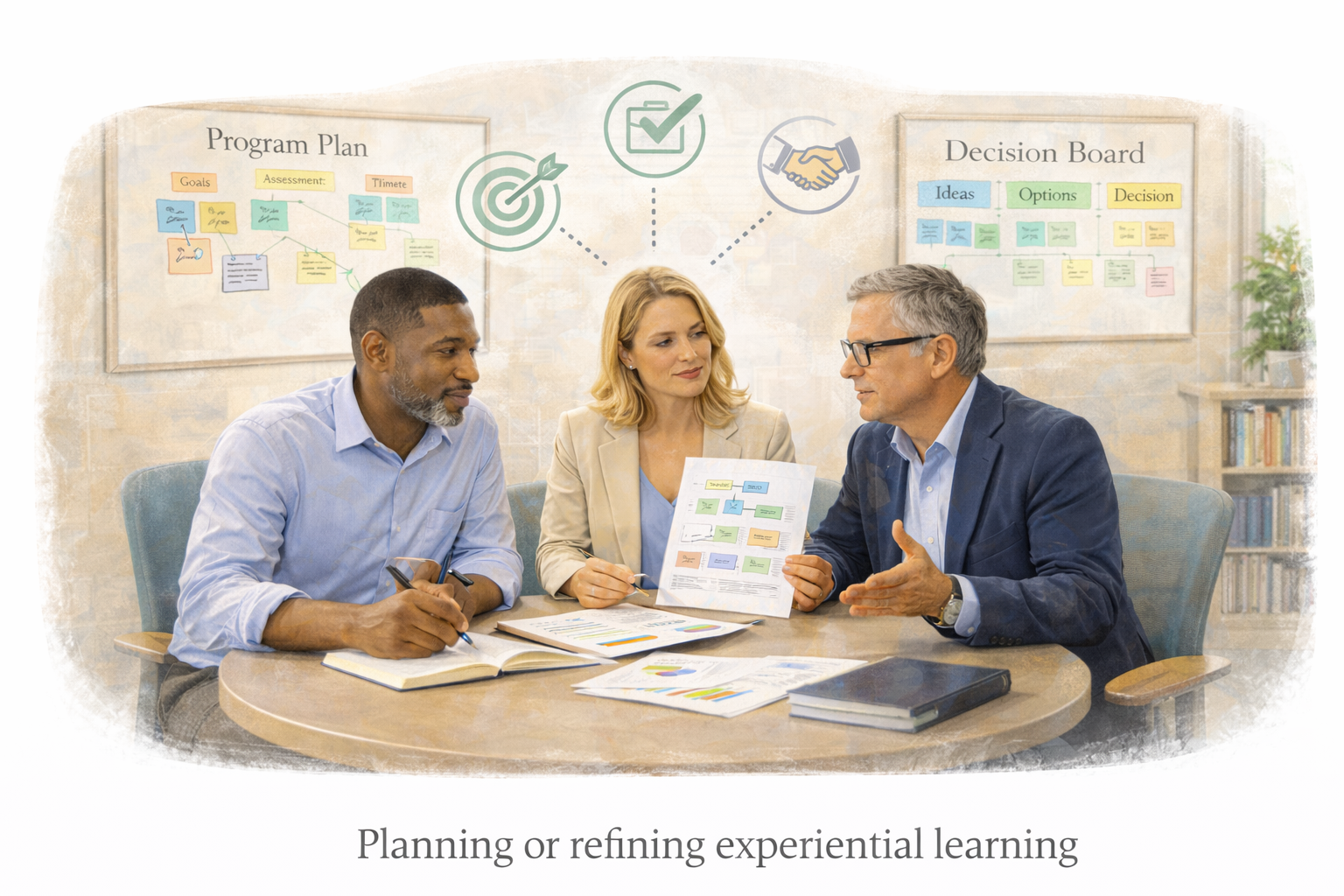
Key considerations for planning or refining experiential learning offerings — clear outcomes, student preparation, and strong partner communication.

Employer partnership illustration
Partnerships

Building Sustainable Employer Partnerships

Practical notes on maintaining employer relationships that support students without overextending institutional or employer capacity.

For students and employers

Early Career Development

Frameworks to help students and new graduates make that transition from academic life to professional environments with more intention and less uncertainty. The emphasis here is on realistic preparation: helping people engage opportunity with confidence while also understanding constraints, trade-offs, and context.

Early career transition illustration
Readiness

Preparing Early Career Talent for Today's Workforce

How to help students move from classroom confidence to workplace readiness — thinking about skills, experience, and professional fit realistically.

Employer brand illustration
Employers

Employer Brand Positioning for Students

How employers can present their work, culture, and expectations in ways that resonate with students while staying honest about demands and constraints.

Career conversation illustration
Conversations

Supporting Realistic Career Conversations

Approaches for talking about careers with students that balance aspiration with honesty, and clarify both opportunities and limits with care.

Looking ahead

More resources on the way.

This library will keep growing. In the meantime, these themes reflect the questions and patterns that most often shape our consulting and student-facing work. If you have a specific question, we would be glad to point you in the right direction.

Get in Touch